
 By
By 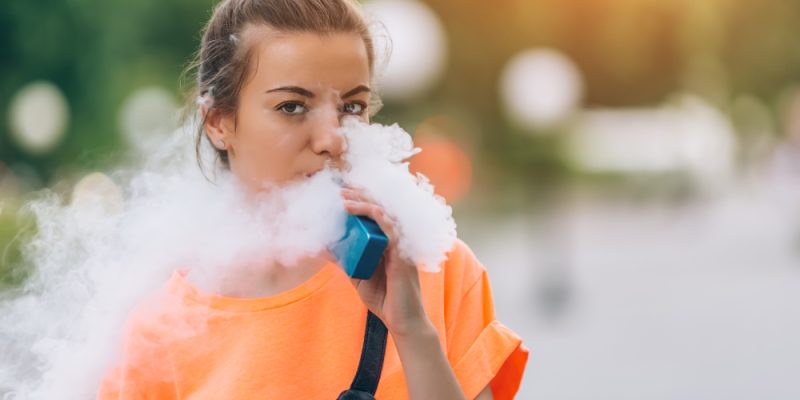
Stress has become a part of everyday life for millions of people worldwide. With busy work schedules, financial pressures, and personal challenges, many individuals seek coping mechanisms to reduce tension. Among the popular methods gaining attention is vaping. Some people claim that vaping helps them relax and manage stress, while others question whether it is a temporary illusion rather than a genuine solution.
This article explores the connection between vape and stress relief, diving into the science, potential benefits, risks, and healthier alternatives. If you’ve ever wondered whether vaping is an effective tool for calming the mind, this comprehensive guide will help you understand the reality behind the trend.
Understanding the Appeal of Vaping for Stress Relief
The rise of vaping as a stress-management tool comes from its accessibility, variety of flavors, and the ritual itself. For many, the act of taking a break, inhaling, and exhaling vapor creates a moment of calm. This ritualistic behavior can mimic traditional relaxation techniques such as deep breathing.
Nicotine, found in many vape liquids, also plays a role. It is a stimulant but can produce temporary calming effects by releasing dopamine, a neurotransmitter associated with pleasure and relaxation. However, this effect is short-lived and often followed by dependency.
The Science Behind Vaping and Stress
Nicotine affects the central nervous system by triggering the release of dopamine and serotonin, chemicals that influence mood and emotions. This explains why vaping can create a temporary sense of relaxation. However, scientific studies show that over time, nicotine dependency may actually increase stress rather than reduce it.
When nicotine levels drop in the body, withdrawal symptoms such as irritability, restlessness, and anxiety can occur. This means that the stress relief from vaping may be less about genuine relaxation and more about easing withdrawal symptoms.
The Psychological Aspect of Vape for Stress Relief
Apart from nicotine, vaping can provide psychological comfort. The act of stepping away from a stressful situation, focusing on inhaling and exhaling, and engaging in a soothing routine can make individuals feel calmer. This is similar to mindfulness techniques that encourage slowing down and taking a break.
For some, vaping also provides a social outlet. Joining vape communities, discussing flavors, or sharing the experience with friends can reduce feelings of isolation, which often contribute to stress.
Potential Benefits of Vaping for Stress Management
While not without drawbacks, some users report benefits when using vape for stress relief:
-
Momentary relaxation: The act of vaping creates a pause in the day, allowing a person to slow down.
-
Sensory satisfaction: Flavors and vapor clouds can provide a distraction from stressors.
-
Substitute for smoking: For smokers transitioning to vaping, it may feel like a healthier stress-relief alternative.
-
Routine and ritual: The habit of taking a break, inhaling, and exhaling can mimic calming exercises.
Risks and Drawbacks of Vaping for Stress
Despite perceived benefits, vaping is not a guaranteed or sustainable solution for stress relief. Key concerns include:
-
Nicotine dependence: Reliance on nicotine can worsen long-term anxiety and stress.
-
Health risks: Vaping, while often marketed as safer than smoking, still exposes users to harmful substances.
-
Short-lived effects: Stress relief from vaping may last only minutes, leading to repeated use.
-
Psychological reliance: Using vaping as the primary coping mechanism may prevent healthier stress-management strategies.
Comparing Vaping to Other Stress-Relief Methods
To truly evaluate whether vaping helps with stress, it’s important to compare it to other well-known stress-relief strategies:
-
Deep breathing: Provides relaxation without health risks.
-
Exercise: Releases endorphins, improves mood, and reduces long-term stress.
-
Meditation and mindfulness: Encourages self-awareness and emotional regulation.
-
Hobbies: Creative or physical activities distract the mind and reduce tension.
-
Healthy sleep: Rest restores mental balance and helps the body cope with stress.
Compared to these natural methods, vaping may offer temporary relief but lacks sustainable long-term benefits.
The Role of Nicotine-Free Vaping in Stress Relief
Some individuals choose nicotine-free vape juices for stress relief. These options remove the dependency factor but maintain the ritualistic aspects of vaping. In this case, the stress relief comes more from the activity itself than any chemical response. While safer than nicotine-based vaping, it is still important to recognize that it may only provide psychological comfort rather than solving the root cause of stress.
Social Perception of Vaping as a Stress-Relief Tool
How others perceive vaping also influences its role in stress management. While some view it as a modern, acceptable practice, others see it as disruptive or unhealthy. Using vape in inappropriate public settings may cause social stress rather than reducing it. Practicing vape etiquette, like asking permission before vaping in shared spaces, can help avoid unnecessary tension.
Alternatives to Vaping for Stress Relief
For those seeking healthier coping methods, several alternatives exist:
-
Yoga and stretching for physical and mental relaxation.
-
Herbal teas like chamomile or green tea to calm the body.
-
Listening to music to shift mood and ease the mind.
-
Journaling to express emotions and gain perspective.
-
Therapy or counseling for professional guidance.
These methods not only provide stress relief but also promote long-term health and emotional balance.
Does Vaping Really Help with Stress?
The truth lies in moderation and perspective. Vaping may create temporary relief by mimicking calming rituals and providing a distraction. However, it does not address the root cause of stress and may create dependency if used excessively. For smokers transitioning away from cigarettes, vaping may feel like a step toward healthier habits, but it should not become the primary coping mechanism.
Long-term stress management requires sustainable approaches such as mindfulness, physical activity, and emotional support. Vaping may offer a short break, but true relief comes from building resilience and balance in daily life.
FAQs on Vape for Stress Relief
Does vaping reduce anxiety instantly?
Yes, vaping can provide a short-term calming effect due to nicotine and the act of inhaling and exhaling, but it is not a permanent solution and may lead to dependency.
Is nicotine-free vaping good for stress relief?
Nicotine-free vaping can help by maintaining the ritual of vaping without the addictive substance. However, its effects are more psychological than chemical.
Can vaping replace meditation or exercise for stress?
No, vaping cannot replace proven stress-relief methods like meditation or exercise, which provide long-term mental and physical benefits without health risks.
Why do people feel relaxed after vaping?
Nicotine releases dopamine, which creates a sense of pleasure and calm. The routine of vaping also mimics relaxation practices like deep breathing.
Is vaping healthier than smoking for stress relief?
Vaping is often considered less harmful than smoking, but it still carries risks. Neither is an ideal stress-relief method compared to healthier alternatives.
Can vaping worsen stress over time?
Yes, dependency on nicotine can increase anxiety and stress once withdrawal symptoms set in, leading to a cycle of use.
What are healthier alternatives to vaping for stress relief?
Exercise, meditation, yoga, therapy, herbal teas, and mindfulness practices are healthier long-term solutions for managing stress.






Comments