
 By
By 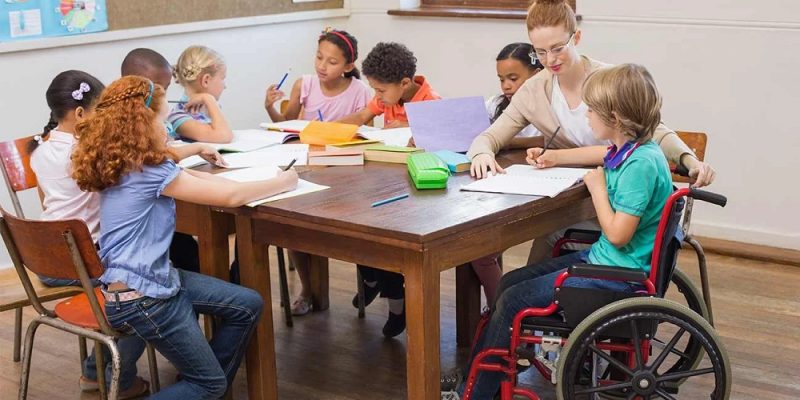
Inclusive education has become one of the most important priorities in modern learning environments. As classrooms grow more diverse in terms of culture, language, ability levels, and learning styles, educators are recognizing the value of creating spaces where every student feels respected, supported, and capable of success. Inclusive education is not simply about placing students with different needs into the same classroom. It is about designing learning environments that actively support participation, belonging, and achievement for all learners.
Schools that adopt inclusive practices promote fairness, strengthen academic performance, and prepare students to participate responsibly in increasingly interconnected societies. Inclusive classrooms help students develop empathy, collaboration skills, and confidence while ensuring equal access to meaningful educational opportunities.
Understanding the Concept of Inclusive Education
Inclusive education refers to teaching approaches that ensure students of all backgrounds and abilities learn together in supportive environments. These classrooms accommodate differences rather than treating them as barriers.
Inclusive education supports students who may differ in:
- Cultural backgrounds
- Language abilities
- Learning styles
- Physical abilities
- Cognitive development levels
- Social experiences
Rather than separating learners based on differences, inclusive education promotes shared participation. It recognizes diversity as a strength that enriches the learning experience for everyone involved.
Teachers in inclusive classrooms adapt instruction to meet varied needs while maintaining shared learning goals. This approach ensures that every student remains engaged and valued.
The Role of Diversity in Modern Classrooms
Classroom diversity reflects the realities of modern societies. Students come from different linguistic, cultural, social, and academic backgrounds. Inclusive education helps schools respond effectively to this diversity.
Diverse classrooms often include learners who differ in:
- Cultural traditions
- Communication styles
- Educational readiness
- Emotional needs
- Family expectations
- Learning preferences
When schools recognize these differences positively, students develop stronger relationships and broader perspectives.
Exposure to diversity also prepares students to succeed in workplaces and communities where cooperation across differences is essential.
Promoting Equal Learning Opportunities for All Students
One of the most important goals of inclusive education is ensuring equal access to learning. Students should not be excluded from opportunities because of differences in ability, background, or language.
Inclusive teaching strategies support equal participation through:
- Flexible instructional methods
- Accessible classroom materials
- Differentiated learning activities
- Collaborative learning structures
- Continuous progress monitoring
These strategies allow students to engage with content in ways that match their strengths while still meeting academic expectations.
Equal learning opportunities strengthen confidence and encourage students to remain motivated throughout their educational journeys.
Supporting Students With Different Learning Needs
Inclusive classrooms provide structured support for students with varied academic abilities. Rather than isolating learners who require additional assistance, teachers integrate support within shared classroom activities.
Support strategies often include:
- Personalized instruction adjustments
- Visual learning tools
- Peer collaboration opportunities
- Structured feedback systems
- Assistive learning technologies
These approaches help students remain active participants in classroom learning.
Students who receive support within inclusive settings often demonstrate improved academic progress and stronger social connections.
Strengthening Social Skills Through Inclusive Learning Environments
Inclusive classrooms encourage interaction among students with diverse experiences and abilities. These interactions support the development of important social skills.
Students benefit from opportunities to:
- Practice teamwork
- Develop empathy
- Understand multiple perspectives
- Build communication confidence
- Resolve disagreements respectfully
Social learning is an essential part of education. Inclusive environments allow students to develop interpersonal skills that support long term success both inside and outside school.
Learning alongside peers with different strengths encourages cooperation rather than competition.
Encouraging Respect and Acceptance Among Students
Inclusive education helps create respectful classroom cultures. When students learn together regardless of differences, they begin to appreciate individual strengths rather than focusing on limitations.
Teachers support respectful learning environments by:
- Modeling inclusive language
- Encouraging shared responsibilities
- Recognizing individual achievements
- Promoting collaborative problem solving
- Addressing misunderstandings constructively
Students who grow up in inclusive classrooms often become more open minded and socially responsible adults.
Respectful learning environments also reduce the risk of bullying and exclusion.
Enhancing Academic Outcomes Through Inclusive Practices
Inclusive education benefits not only students who require additional support but also those who follow standard learning pathways. Research consistently shows that diverse classrooms can improve academic performance for all learners.
Inclusive classrooms strengthen learning outcomes by:
- Encouraging cooperative problem solving
- Supporting flexible thinking skills
- Increasing engagement levels
- Expanding exposure to new ideas
- Strengthening classroom participation
Collaborative learning environments allow students to explain concepts to one another, which improves understanding and retention.
Teachers also gain better insight into student needs through inclusive instructional practices.
The Importance of Teacher Preparation in Inclusive Classrooms
Teachers play a central role in creating successful inclusive learning environments. Effective inclusive education depends on professional preparation and ongoing training.
Educators benefit from learning how to:
- Adapt lesson plans for diverse learners
- Use differentiated instruction techniques
- Manage inclusive classroom dynamics
- Integrate assistive learning technologies
- Support multilingual learners effectively
Professional development ensures teachers feel confident implementing inclusive strategies.
Schools that invest in teacher training create stronger learning environments for all students.
The Role of Families in Supporting Inclusive Education
Families contribute significantly to inclusive learning success. When parents and caregivers collaborate with educators, students receive consistent support across home and school environments.
Family involvement supports inclusive education through:
- Sharing cultural knowledge
- Supporting learning routines at home
- Communicating student needs clearly
- Participating in school activities
- Encouraging positive attitudes toward diversity
Strong school family partnerships help students feel secure and supported.
Collaboration between families and educators strengthens trust within learning communities.
Using Technology to Support Inclusive Classrooms
Technology plays an important role in expanding access to education for students with diverse needs. Digital tools allow teachers to present information in multiple formats that support different learning styles.
Examples of supportive technologies include:
- Speech to text applications
- Interactive learning platforms
- Audio based instructional materials
- Visual learning software
- Translation support tools
Technology allows educators to personalize instruction more effectively.
Digital learning resources also help students participate actively regardless of language or physical barriers.
Building Inclusive School Cultures Beyond the Classroom
Inclusive education extends beyond classroom instruction. Schools that promote inclusion across all activities create stronger learning communities.
Inclusive school cultures encourage:
- Participation in extracurricular programs
- Representation in student leadership roles
- Access to shared facilities
- Inclusive school events
- Recognition of diverse achievements
When inclusion becomes part of school culture, students feel valued throughout their educational experiences.
Schoolwide commitment ensures that inclusive principles remain consistent across all learning environments.
Preparing Students for Participation in Diverse Societies
Inclusive classrooms prepare students for life beyond school. Exposure to diversity helps learners develop the adaptability needed for success in modern communities and workplaces.
Students gain preparation for future environments by:
- Practicing collaboration across differences
- Understanding cultural perspectives
- Developing communication flexibility
- Building problem solving skills
- Strengthening ethical awareness
These experiences help students become responsible citizens capable of contributing positively to society.
Inclusive education supports both academic growth and personal development.
Overcoming Challenges in Implementing Inclusive Education
Although inclusive education offers many benefits, implementation requires thoughtful planning and support. Schools may face challenges related to resources, training, or infrastructure.
Common challenges include:
- Limited access to specialized teaching materials
- Need for additional teacher training
- Classroom size considerations
- Coordination among support staff
- Time required for instructional adjustments
Addressing these challenges requires collaboration between administrators, educators, and communities.
With appropriate planning and commitment, schools can successfully build inclusive learning environments.
Conclusion
Inclusive education plays a vital role in supporting student success within diverse classrooms. By creating environments that value participation, respect differences, and promote equal opportunity, schools help learners develop both academic skills and social understanding. Inclusive classrooms prepare students to collaborate effectively, communicate respectfully, and contribute responsibly to society.
As diversity continues to shape educational systems worldwide, inclusive education will remain essential for building strong learning communities that support every student.
FAQ Section
How does inclusive education influence student confidence levels
Inclusive environments encourage participation and recognition of individual strengths, which helps students feel capable and valued within their learning communities.
Can inclusive education benefit high achieving students
Yes, inclusive classrooms promote collaboration and exposure to diverse perspectives, which strengthens critical thinking and communication skills for advanced learners.
What classroom layout changes support inclusive learning environments
Flexible seating arrangements, accessible movement pathways, and collaborative work areas help create classrooms that support participation for all learners.
How can schools measure the effectiveness of inclusive education programs
Schools can evaluate participation rates, student engagement levels, academic progress patterns, and feedback from families and teachers to assess program success.
Why is student voice important in inclusive classrooms
Encouraging student input helps educators understand learning preferences and ensures that classroom practices reflect the needs of all participants.
How can peer support programs strengthen inclusive education
Peer mentoring and cooperative learning activities promote collaboration and help students support each other academically and socially.
What role do school leaders play in promoting inclusive education
School leaders guide policy development, allocate resources, support teacher training initiatives, and create schoolwide cultures that prioritize inclusion.










Comments