
 By
By 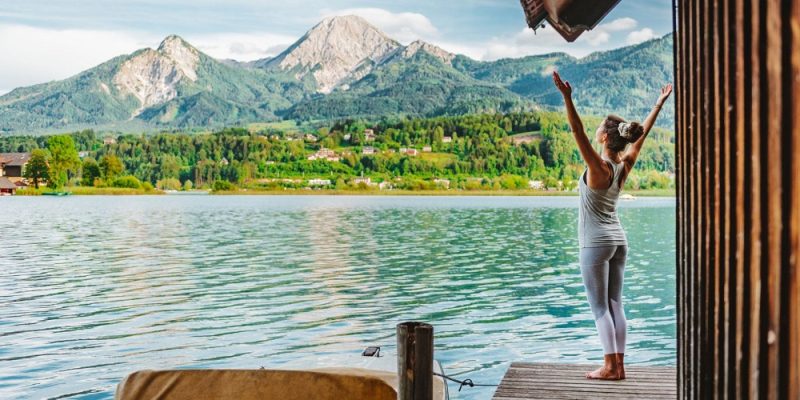
Wellness travel has become one of the fastest growing segments of the global tourism industry. More travelers are choosing destinations that support mental clarity, physical renewal, emotional balance, and healthy lifestyle habits instead of traditional sightseeing focused vacations. Wellness retreats provide structured environments where visitors can disconnect from daily stress and reconnect with their well being through mindful activities, nutritious food, restorative surroundings, and guided experiences.
Unlike conventional vacations that may leave travelers feeling tired after busy schedules, wellness retreats focus on recovery and long term health improvement. From mountain meditation centers to coastal yoga sanctuaries, wellness destinations around the world offer opportunities to improve both physical health and mental resilience.
Understanding the benefits and types of wellness travel experiences helps travelers choose retreats that align with their personal goals and lifestyles.
Understanding the Purpose of Wellness Travel
Wellness travel focuses on improving overall quality of life through intentional experiences designed to support physical, emotional, and mental balance. These journeys are not limited to relaxation alone. They often include structured programs that encourage healthier habits.
Common wellness travel goals include:
- Reducing stress levels
- Improving sleep quality
- Increasing physical activity
- Supporting mental clarity
- Developing mindfulness routines
- Encouraging healthier nutrition habits
Wellness retreats create supportive environments that help travelers adopt sustainable lifestyle changes rather than temporary relaxation alone.
Travelers often return home with practical strategies they can continue using in everyday routines.
Mountain Retreat Destinations for Mental Clarity
Mountain wellness retreats provide peaceful surroundings that naturally support reflection and stress reduction. Higher elevations often offer quiet environments away from urban noise and digital distractions.
Benefits of mountain wellness retreats include:
- Cleaner air environments
- Scenic walking trails
- Opportunities for mindful hiking
- Quiet meditation settings
- Cooler climates that support restful sleep
Mountain retreats frequently include guided mindfulness sessions, breathing exercises, and outdoor movement programs designed to improve emotional balance.
These locations are especially beneficial for travelers seeking solitude and clarity.
Coastal Wellness Retreats for Relaxation and Renewal
Coastal environments provide natural stress relief through ocean sounds, fresh air, and open landscapes. Many travelers choose beach wellness retreats for their calming atmosphere and restorative energy.
Coastal retreat experiences often include:
- Sunrise yoga sessions
- Guided breathing exercises near the shoreline
- Nutritional workshops
- Ocean based fitness activities
- Relaxation therapy sessions
The rhythmic sound of waves helps regulate stress responses and improve relaxation.
Coastal retreats are ideal for individuals seeking gentle restoration combined with light physical activity.
Forest Retreat Destinations for Deep Relaxation
Forest retreats are increasingly popular among travelers interested in nature based healing experiences. Time spent in wooded environments supports emotional balance and mental clarity.
Forest retreat benefits include:
- Exposure to natural surroundings
- Opportunities for quiet reflection
- Reduced environmental noise
- Guided nature walks
- Support for mindful movement practices
Forest environments encourage slower daily routines that support mental recovery.
Travelers often report improved mood and concentration after spending time in forest retreat settings.
Yoga Retreat Centers Supporting Physical and Emotional Balance
Yoga retreats provide structured programs that combine physical movement with breathing techniques and mental focus practices. These retreats are suitable for both beginners and experienced participants.
Yoga retreat programs typically include:
- Daily guided yoga sessions
- Meditation instruction
- Nutritional education
- Stretching and flexibility training
- Mindfulness workshops
Regular movement improves circulation, posture, and energy levels.
Yoga retreats help travelers build routines they can continue after returning home.
Spa Based Wellness Destinations for Physical Recovery
Spa wellness retreats focus on therapeutic treatments designed to support relaxation and physical restoration. These destinations often combine traditional therapies with modern wellness techniques.
Spa retreat services frequently include:
- Massage therapy sessions
- Hydrotherapy treatments
- Aromatherapy programs
- Skin care therapies
- Relaxation pools and thermal baths
These treatments help reduce muscle tension and improve circulation.
Spa focused retreats are particularly beneficial for travelers recovering from physically demanding schedules.
Nutrition Focused Retreat Destinations Supporting Healthy Habits
Nutrition plays a central role in wellness travel experiences. Many retreats offer programs designed to help participants understand how food supports long term health.
Nutrition based retreat programs often include:
- Cooking workshops
- Meal planning guidance
- Plant based dining experiences
- Hydration awareness sessions
- Digestive health education
Learning about balanced nutrition encourages sustainable lifestyle improvements.
Participants often leave these retreats with practical meal planning strategies.
Meditation Retreat Centers Encouraging Mental Focus
Meditation retreats provide quiet environments where travelers can develop deeper awareness and concentration skills. These retreats are often structured around guided reflection and silent practice periods.
Meditation retreat benefits include:
- Reduced anxiety levels
- Improved emotional awareness
- Increased attention control
- Better stress management habits
- Stronger self awareness
Meditation programs help participants develop techniques they can apply throughout daily life.
Quiet retreat environments support lasting mental clarity improvements.
Wellness Retreat Destinations Supporting Digital Detox Experiences
Digital detox retreats are designed to help travelers reduce screen exposure and reconnect with offline experiences. Many people choose these retreats to reset attention habits and improve sleep quality.
Digital detox retreat features often include:
- Screen free environments
- Outdoor activities
- Journaling sessions
- Group discussions
- Guided mindfulness programs
Reducing digital distractions improves concentration and emotional balance.
Participants often report stronger presence and improved focus after digital detox experiences.
Cultural Wellness Retreat Destinations Offering Holistic Experiences
Cultural wellness retreats combine traditional healing practices with local customs and community experiences. These retreats allow travelers to learn wellness traditions that have been practiced for generations.
Cultural wellness experiences may include:
- Traditional movement practices
- Local herbal education
- Community based wellness activities
- Cultural cooking experiences
- Guided reflection rituals
These experiences provide deeper understanding of global wellness traditions.
Travelers often gain both physical benefits and cultural appreciation during these retreats.
Choosing the Right Wellness Retreat Destination
Selecting a wellness retreat depends on individual goals and lifestyle preferences. Some travelers prefer active movement programs, while others seek quiet reflection environments.
Important factors to consider include:
- Personal wellness goals
- Climate preferences
- Activity level expectations
- Program structure intensity
- Accommodation style comfort
Careful planning ensures that retreat experiences align with individual expectations.
Choosing the right environment improves the effectiveness of wellness travel experiences.
Preparing for a Successful Wellness Retreat Experience
Preparation helps travelers gain the most benefit from wellness retreats. Setting realistic expectations supports positive outcomes during the journey.
Helpful preparation steps include:
- Identifying personal wellness priorities
- Planning comfortable travel schedules
- Packing appropriate clothing
- Maintaining flexible expectations
- Allowing time for adjustment after arrival
Preparation improves engagement with retreat programs.
Intentional planning supports meaningful experiences during wellness travel.
Long Term Benefits of Wellness Travel Experiences
Wellness travel provides lasting improvements that extend beyond the duration of the trip. Participants often return home with healthier habits and stronger emotional awareness.
Long term wellness travel benefits include:
- Improved stress management skills
- Better sleep routines
- Increased motivation for physical activity
- Stronger emotional balance
- Healthier eating patterns
These improvements support sustainable lifestyle changes.
Wellness retreats help individuals build habits that continue supporting health long after the trip ends.
Conclusion
Wellness travel and retreat destinations offer meaningful opportunities for individuals seeking physical recovery, emotional clarity, and mental renewal. From mountain meditation centers to coastal yoga retreats and forest based relaxation programs, wellness destinations provide structured experiences that support healthier living.
Travelers who choose wellness focused journeys often return home with improved habits, stronger awareness, and renewed motivation for maintaining balanced lifestyles. As interest in health centered travel continues to grow, wellness retreats remain valuable resources for individuals seeking long term well being.
FAQ Section
How long should a wellness retreat last for noticeable benefits
Many travelers begin noticing benefits after several days, but longer retreats lasting one to two weeks often provide deeper lifestyle improvements.
Are wellness retreats suitable for beginners with no prior experience
Most retreats offer programs designed for all experience levels and provide guidance that helps beginners participate comfortably.
Can wellness retreats help improve workplace productivity
Many participants report improved concentration, reduced stress levels, and better time management habits after returning from structured wellness retreats.
What type of accommodations are typically available at wellness retreats
Accommodation options range from simple nature focused cabins to full service wellness resorts depending on the retreat structure and location.
Are group wellness retreats better than individual retreat experiences
Group retreats encourage shared learning and social connection, while individual retreats support deeper reflection. The best choice depends on personal preferences.
Do wellness retreats support long term lifestyle changes
Structured programs often introduce habits that participants can continue practicing after returning home, supporting lasting improvements.
Is travel insurance recommended for wellness retreat trips
Travel insurance helps protect plans in case of unexpected schedule changes or medical needs during wellness travel experiences





Comments